What the Data Actually Shows
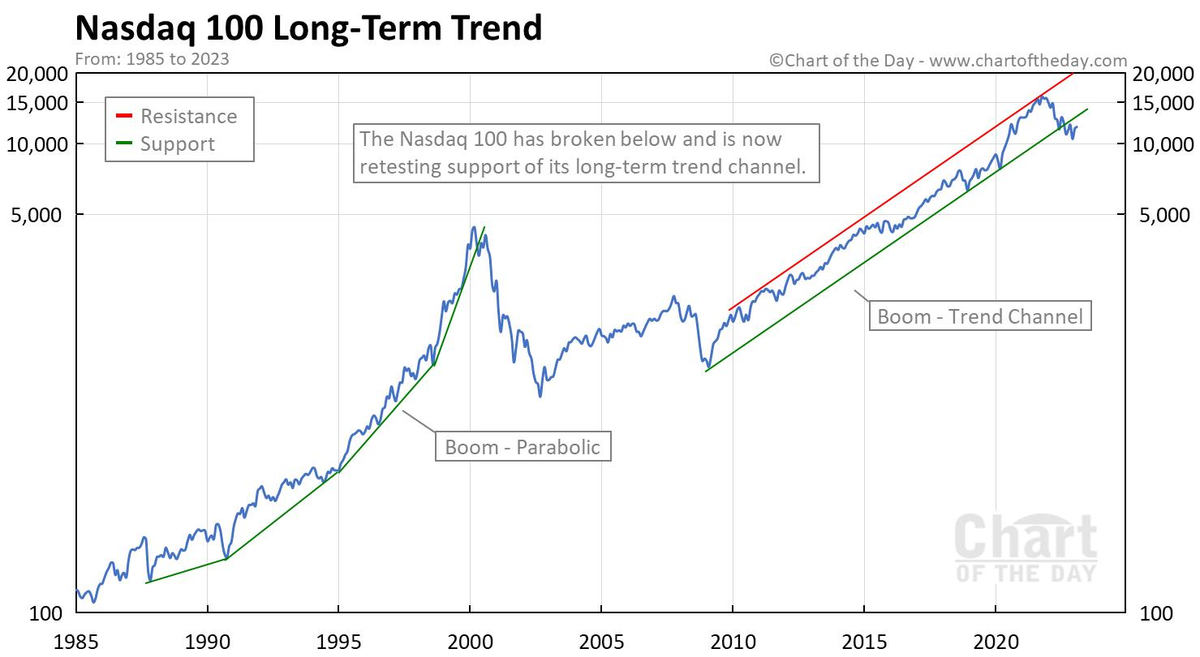
At the center of today’s debate are the so-called “Big Four” tech giants:
- Meta Platforms — P/E: ~16x
- Alphabet Inc. — P/E: ~17x
- Amazon — P/E: ~24x
- Microsoft — P/E: ~25x
The price-to-earnings ratio (P/E) measures how much investors are willing to pay for each dollar of a company’s annual profit. In simple terms: a P/E of 20 means investors pay $20 for every $1 the company earns yearly.
Compare that to the peak of the dot-com era around 2000:
- Microsoft — ~73x
- Cisco Systems — 200x+
- Yahoo — ~800x
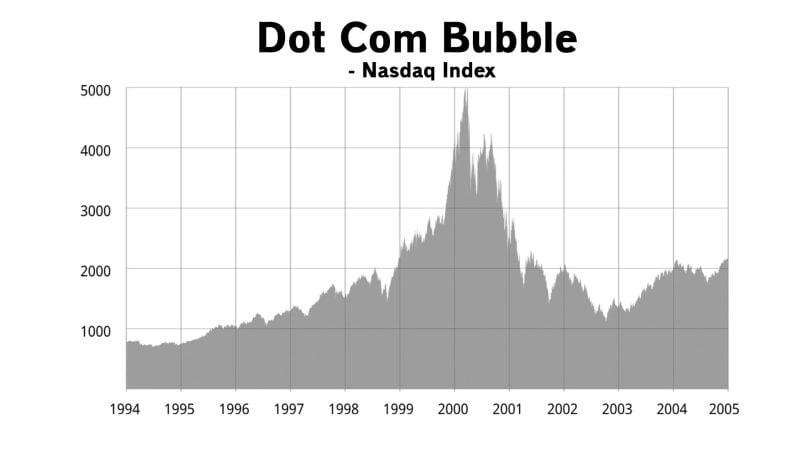
At the time, the entire NASDAQ Composite traded at an average P/E near 200x–with many companies generating no profits at all.
The most critical distinction lies not just in valuation multiple–but in fundamentals.
“Back then, investors were pricing in potential. Today, they’re pricing in performance,” says market analyst Elena Kovalenko.
During the dot-com boom, a significant portion of tech firms operated without sustainable revenue models. Their valuations were often driven by projections, user growth, or even vague concepts.
Today’s tech leaders, by contrast, generate hundreds of billions in real free cash flow annually. Their earnings are not hypothetical–they are reported, audited, and recurring.
Recent earnings reports from Microsoft, Alphabet Inc., Meta Platforms, and Amazon have all exceeded analyst expectations, reinforcing their position as some of the most profitable corporations globally.
“These are not speculative startups,” notes portfolio manager Daniel Reyes. “They are the cash engines of the modern economy.”
Calling today’s market a “bubble,” some analysts argue, oversimplifies the situation.
Comparing current tech valuations to companies like Yahoo at 800x earnings is, as one commentator put it:
“Like comparing a marathon runner to someone stepping onto a treadmill for the first time.”
The Bottom Line
While concerns about market overheating are not unfounded—especially amid rapid advances in AI and rising investor enthusiasm—the raw data suggests today’s tech sector is built on far stronger financial foundations than during the dot-com era.
That doesn’t eliminate risk. But it does challenge the idea that history is repeating itself in quite the same way.
——————————————————————————————————————
Stay on top of the latest crypto market news, trends and insights with GM Crypto: gmcrypto.news, and follow us on X!