On Thursday, Nov. 12, the Justice Department announced two actions against North Korean crypto theft. One disrupted FaceStealer and seized the infrastructure behind it. The other was an update on the Binance hack: the department said it now has court authorization to seize or restrain more than $1.2B of the stolen funds. The two are separate cases, tied together by the same state-backed actors.
How Does FaceStealer Work?
Plain English: the attacker pretends to be someone you trust on a video call, but the “person” is a recording.
- Hackers invite a target to a meeting from an account taken from an earlier victim.
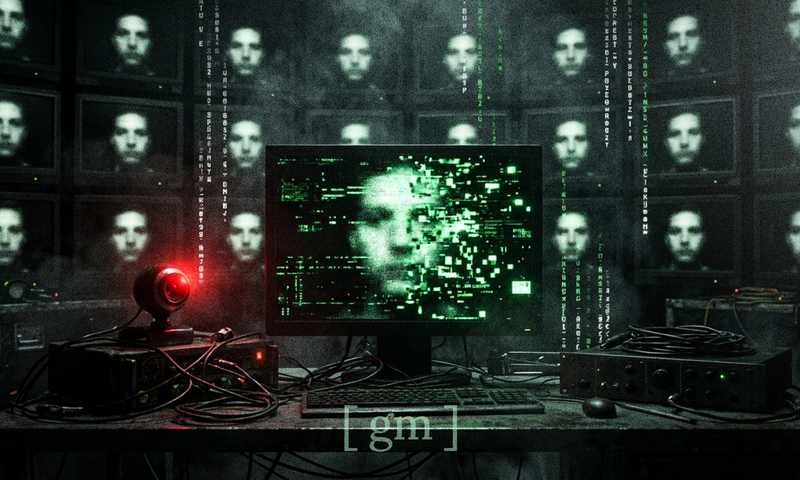
- During the call, they play prerecorded webcam footage of a colleague or contact the target knows, or an AI deepfake of a well-known industry figure.
- They claim a technical problem, such as “I can’t hear you,” and send a link to “fix” it. The link installs malware.
- The malware drains wallets or hands over access to other systems. The DOJ says attackers sometimes waited months, even over a year, before acting.
FBI Los Angeles chief Patrick Grandy said the scheme can deceive even experienced, security-conscious users. The FBI warned crypto firms back in 2024 about requests to run scripts to enable call features.
Who Is Behind It?
The DOJ links FaceStealer to North Korean groups also called Sapphire Sleet, BlueNoroff, and APT38. It also warned that the hackers increasingly target open-source developers, apparently to enable supply-chain attacks. North Korea has consistently rejected attributions like this one. Treat the “AI” element as the DOJ’s description, since it hasn’t released technical detail on the deepfakes.
What Is Happening to the Binance Money?
Of the roughly $6.4B stolen from Binance (the DOJ’s figure, versus $6.3B in earlier reports), over $2.7B has been frozen so far and more than $1.2B is now covered by seizure or restraint authority. The FBI blames the North Korean group TraderTraitor. Decrypt separately reported the regime creating a new wallet about every 25 seconds to launder proceeds.
Authorization isn’t the same as recovery. A court order lets agencies act on specific funds, and it says nothing yet about when or whether victims get money back. Officials say tracing is ongoing.
How Can Crypto Teams Protect Themselves?
Standard advice, not from the DOJ release: don’t click “fix” links or run scripts during a call, verify unexpected meeting invites on a separate channel, and keep wallet access on devices that don’t join calls. These steps are common security practice and would cut the risk, not remove it.
What Happens Next?
- Whether the DOJ names defendants or announces more seizures
- How much of the $1.2B is actually recovered
- Any new guidance for open-source developers
- Binance’s own incident report, which we covered earlier
FAQ
What is FaceStealer? An FBI-named North Korean scheme that uses fake video calls, prerecorded footage, and deepfakes to install malware on crypto workers’ devices.
How much did it steal? More than $400M over 18 months, per the DOJ.
How much Binance money is covered by the seizure? The DOJ has authorization to seize or restrain more than $1.2B.
How much is frozen overall? More than $2.7B.
Who does the FBI blame? North Korean groups including TraderTraitor (Binance) and APT38, BlueNoroff, and Sapphire Sleet (FaceStealer). North Korea denies it.