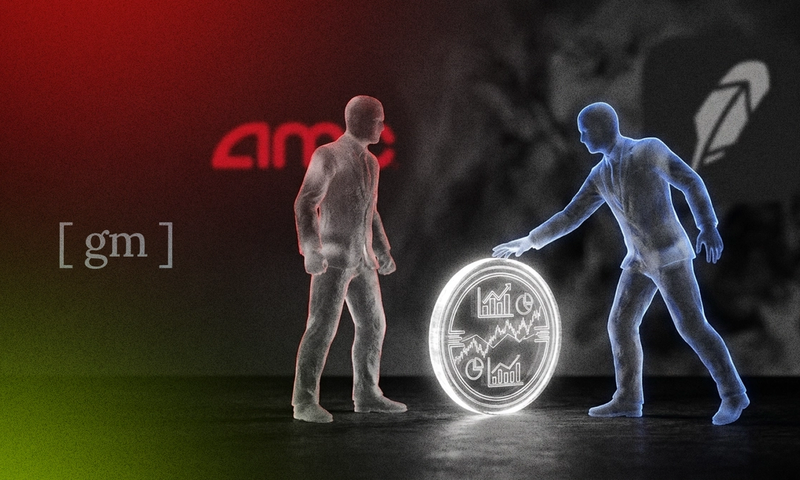
The feud between AMC and Robinhood over tokenized stocks just went from angry tweets to a televised showdown, and it's exposing one of the biggest unresolved questions in crypto: once a company's shares are public, who controls the financial products built on top of them? On Wednesday, Robinhood CEO Vlad Tenev used a CNBC appearance to fire back at AMC chief Adam Aron, and drew a hard line.
How we got here
The clash started last week when Aron went public on X, saying AMC had "no connection" to Robinhood's tokenized AMC product and did not endorse it. He didn't hold back, calling the practice "contemptible, outrageous, disgusting, detestable, inexcusable, vile," and demanded Robinhood cease and desist trading tokens tied to AMC, threatening to take the matter to the SEC. Robinhood had rolled out tokenized versions of AMC and more than 190 other companies without those firms signing on.
Robinhood's first response was almost mocking. Chief legal officer Dan Gallagher, a former SEC commissioner, posted: "We know a little something about the U.S. securities laws and will not 'DECIST,'" poking at a spelling error in Aron's original post. (Aron later said the misspelling was intentional humor.) Tenev's own first reply had been a blunt three words: "What's the concern?"
Tenev's argument
On CNBC, Tenev laid out the fuller case. "Issuers should have control and do have control over the rights and obligations of the stock that they issue, but that doesn't mean they control everything about it," he said, arguing that once shares trade publicly, a company can't dictate every third-party financial product referencing them. His core claim: public companies shouldn't have veto power over independent securities built on their stock.
The structure is central to the dispute. Robinhood's stock tokens are debt securities issued by Robinhood Assets (Jersey) Limited, a separate legal entity, each backed 1:1 by a real underlying share held as collateral (with US custodian Alpaca). Token holders get economic exposure to AMC's price and dividend-linked adjustments, but no voting rights and no place on AMC's shareholder register. Their legal claim is against the token issuer, not AMC.
Aron's counter, and the real issue
Aron's objection is more than wounded pride. He argues a US public company spends millions a year on securities-law compliance while an offshore affiliate can market an instrument that looks like AMC stock without the same duties. He warns a parallel "synthetic" market could weaken a company's control over its own equity, deny buyers real shareholder rights, and erode market trust, saying the structure "decouples stock token ownership from a company's ability to control its own capital raising efforts."
There's also a genuine governance hole nobody has answered: Robinhood controls the real AMC shares held as collateral, but Tenev said the company hasn't announced how it will vote them. So the underlying voting power sits with Robinhood, while token holders get none, an unresolved question about who actually speaks for those shares.
Why it matters
This is bigger than one movie chain and one app. Tokenizing real-world assets is one of crypto's fastest-growing frontiers, and this fight is the first high-profile test of the rules, or lack of them. If Aron is right, companies may gain a say over how their shares get tokenized; if Tenev is right, a whole synthetic-equity market can be built on public stocks without issuer consent. Whether it lands at the SEC or in court, the outcome will shape how far tokenization can go, and whether the "own the price, not the share" model that's spreading across crypto survives contact with securities law. For now, two CEOs are fighting in public, and the regulators haven't spoken.