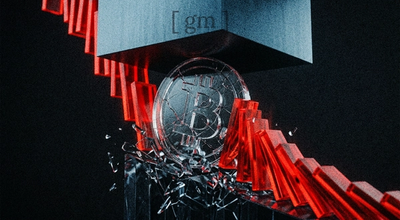
The number crypto feared came in hot, and the market paid for it. After weeks of pinning Bitcoin near $83,000 ahead of the September inflation report, a hotter-than-expected reading sent the whole market tumbling. Bitcoin broke below $81,000, Ethereum dropped 6%, and nearly $1 billion in leveraged positions were wiped out. The hot CPI revived fears that the Federal Reserve will keep raising rates, exactly the scenario that pressures crypto most. Here's exactly why crypto is down today.
How much crypto fell
The sell-off was broad and sharp as of October 15:
- Bitcoin fell below $81,000, down about 3%, dropping from roughly $87,360 earlier in the month to near $80,200, testing critical support.
- Ethereum dropped harder, down about 6% to ~$2,350, with more than $106 million in ETH long positions liquidated on Binance in a single hour.
- XRP fell ~5% toward the $1.30 area, and most major altcoins bled.
- Nearly $1 billion in total liquidations hit the market over 24 hours, with roughly $483 million in forced closures concentrated around the drop, Ethereum traders suffering the most (about 60% of liquidations).
- The total crypto market cap fell about 2.7% to roughly $2.83 trillion.
Why crypto is falling: the hot CPI
The trigger was clear and singular: September inflation came in above expectations. The Consumer Price Index rose about 3.7% year-over-year, hotter than the ~3.4% markets anticipated. That's the opposite of what the bulls wanted.
Here's why it hit crypto so hard. The Fed watches CPI to set interest rates. A hotter-than-expected reading signals inflation isn't cooling, which pushes the Fed toward keeping rates high, or hiking again. Higher rates tighten money and lift Treasury yields, pulling capital away from risk assets like crypto. Following the data, Fed rate-hike odds jumped to around 44%, and with this being the last inflation print before the Fed's October 28 decision, the hot number landed at the worst possible moment. Treasury yields rose and the dollar firmed, compounding the pressure.
Real-world-asset tokens got hit hardest
One notable detail: the damage wasn't evenly spread. The real-world-asset (RWA) sector, tokens tied to tokenized real-world assets, led the decline, dropping about 6.3%, with Maple Finance (SYRUP) down 10%, Ondo (ONDO) down 6%, and Sky (SKY) down 8%. Zcash (ZEC) also tumbled over 10%. This pattern, higher-risk and more leveraged corners falling hardest, is typical of a risk-off flush, where the most speculative assets get sold first and fastest.
The context and the contagion
This isn't happening in isolation. Global markets were already jittery, South Korea's KOSPI index crashed 9%, prompting an emergency market meeting, and a tech-stock selloff has weighed on risk appetite worldwide. Crypto, trading as a high-beta risk asset, fell alongside.
Some perspective helps, though. Despite the drop, Bitcoin remains up roughly 6-7% over the past month, and the sell-off has the hallmarks of a leverage-driven flush rather than a fundamental breakdown, the kind of move that clears out excess risk. That said, analysts are watching the $80,000 level closely; one warned that a decisive break below $80,108 could open the door toward $65,000, while more optimistic reads see the correction ending by late October. The honest picture is a market at a genuine decision point.
Why it matters
Today is the payoff to a question that's hung over crypto all month: would inflation cool enough to ease Fed pressure? The answer was no, and the market reacted exactly as feared. It's another clean demonstration that crypto's near-term direction is being dictated by US economic data and the Fed, not by anything happening on-chain. The hot CPI doesn't just explain today's drop; it shapes the backdrop into the Fed's October 28 meeting, where the case for staying "higher for longer" (or even hiking) just got stronger. For traders, the key levels are the $80,000 support, which bulls need to defend, and the $83,000-$85,000 recovery zone overhead. For now, a single inflation number has put crypto firmly on the defensive, and the market's next move hinges, once again, on the Fed.