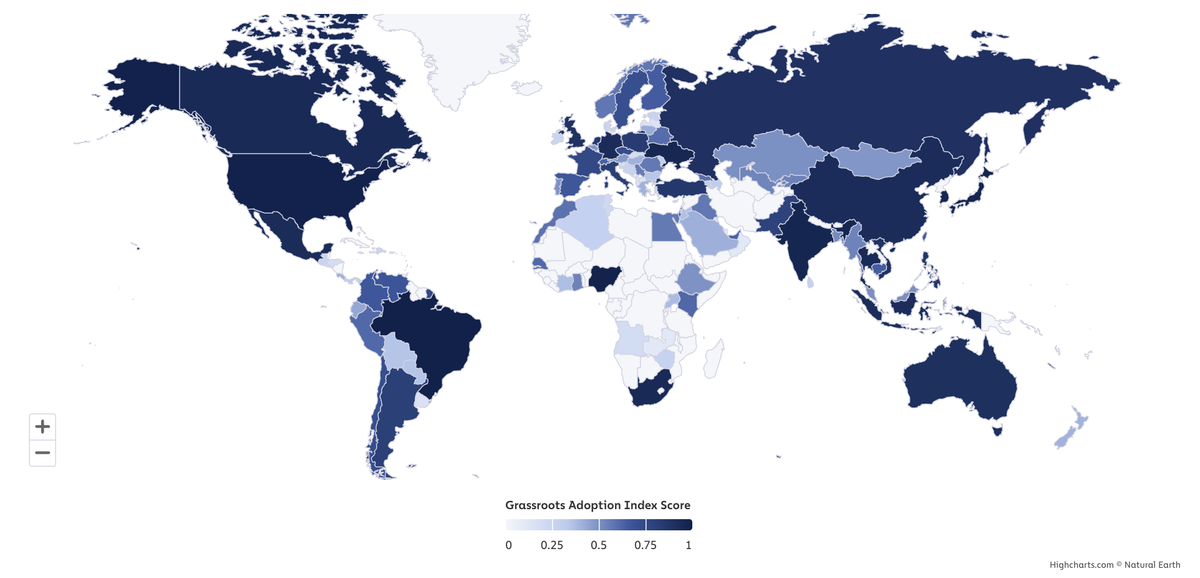
Brazil just claimed crypto's top prize and tightened its grip on the industry in the same breath. New data crowns Brazil the world's number-one country for grassroots crypto adoption, with a $252.5 billion crypto economy.
Yet at almost the same moment, Brazilian regulators are rolling out new rules that shine a light on one of crypto's most private corners: self-custody wallets. It's a revealing snapshot of a market maturing fast, and being watched more closely as it does.
Brazil takes the crown
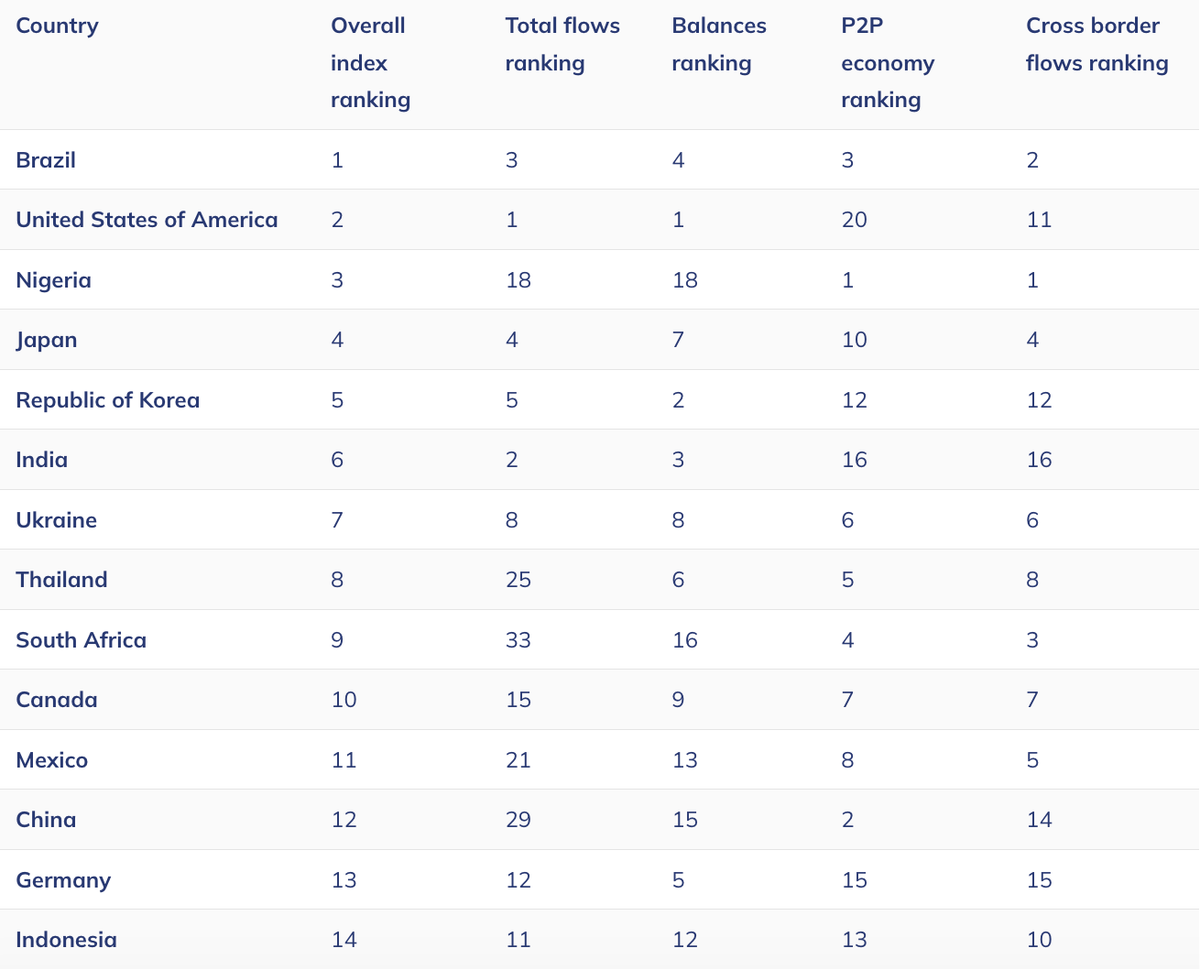
According to Chainalysis's 2026 Global Crypto Adoption Index, Brazil ranked as the world's top country for grassroots crypto adoption, with Latin America's largest crypto economy at $252.5 billion. Brazil didn't just edge in, it placed in the top four worldwide across every factor the index measures: second in cross-border flows, third in total service flows, and near the top in domestic activity and on-chain balances.
The ranking is notable because of how Chainalysis measures adoption. Rather than raw trading volume (which favors wealthy countries and institutions), the index weights real, grassroots usage, everyday people actually using crypto for payments, savings, and cross-border transfers. Brazil topping that list signals crypto is woven into genuine economic life there, not just speculation. It's part of a broader trend the report highlights: emerging markets, not the US or Europe, are leading the world in real crypto adoption, often driven by practical needs like inflation protection, cheaper remittances, and access to dollars via stablecoins.
The same week: a self-custody crackdown
Here's the twist. Just as Brazil earns the adoption crown, its central bank is tightening oversight. Starting October 1, 2026, Brazil will require regulated institutions to report any crypto transfer of $10,000 or more that moves to or from a self-custody wallet. The rule comes from Resolution BCB No. 588, which adds these transfers to the list of transactions that must be reported to COAF, Brazil's financial-intelligence unit.
A self-custody (or "non-custodial") wallet is one where the user, not a company, holds the private keys, the purest form of "be your own bank." Regulators find these harder to monitor precisely because no intermediary sits in the middle with records. That's exactly why Brazil's central bank is targeting them: it said self-custody creates a monitoring challenge because such transfers give financial institutions less information than transfers between regulated custodians.
What the rule does, and doesn't, do
This is the part where precision matters, because it's easy to misread. The new rule is a reporting requirement, not a ban or a limit:
- Brazilians can still legally hold their own private keys and self-custody their crypto.
- They can still transfer amounts above $10,000, the threshold triggers a report, not a block.
- The obligation falls on the regulated institutions (exchanges, payment firms) facilitating the transfer, not directly on the individual user.
- Notably, the rule as written does not require aggregating multiple smaller sub-$10,000 transfers, though users trying to split transactions to stay under the radar should note that deliberate structuring to evade reporting is itself a red flag globally.
It's part of a wider tightening. Brazil has been rapidly building crypto-reporting infrastructure, aligning with the OECD's global Crypto-Asset Reporting Framework, and a separate rule taking effect in January 2027 will allow a precautionary delay of up to 24 hours on certain large self-custody-bound transfers for fraud analysis. The compliance burden is already reshaping the market: reportedly only a handful of crypto firms applied for the new operating licenses, hinting at consolidation ahead.