September is shaping up to be one of the most event-packed months of the crypto year, with macro decisions, massive token unlocks, and a major Ethereum upgrade milestone all clustered into a few weeks. For anyone holding or trading, knowing the dates that matter, and why, is the difference between being surprised and being prepared. Here's the month-ahead guide.
The macro events (these move everything)
Two US data points sit at the center of September, and they matter to crypto because Bitcoin still trades largely as a liquidity-sensitive risk asset.
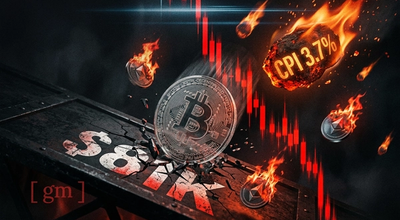
September 11, US CPI (inflation data). The Consumer Price Index for August drops at 8:30 a.m. ET, the last major inflation reading before the Fed's decision. A hot number strengthens the case for tighter policy (bearish for risk assets); a soft one eases it.
September 15-16, FOMC meeting. The Federal Reserve's rate decision lands September 16, alongside its economic projections. This is the clearest market-moving window of the month. After Chair Kevin Warsh's hawkish Jackson Hole remarks, markets have been pricing meaningful odds of a rate hike, an unusual and risk-negative scenario that has already pressured crypto. Watch the CPI-then-Fed sequence as a single story: soft inflation plus a dovish tone would relieve pressure, while hot inflation plus a hawkish Fed could do the opposite.
There's also a Senate procedural vote on the CLARITY Act around September 15, adding a regulatory catalyst to the same window, part of why analysts have flagged mid-September, not the usual "October crash" fears, as the rally's real test.
The token unlocks (supply pressure to watch)
Roughly $1.5 billion in tokens unlock in the first week alone. Unlocks matter because they increase circulating supply, which can create short-term selling pressure if recipients decide to sell.
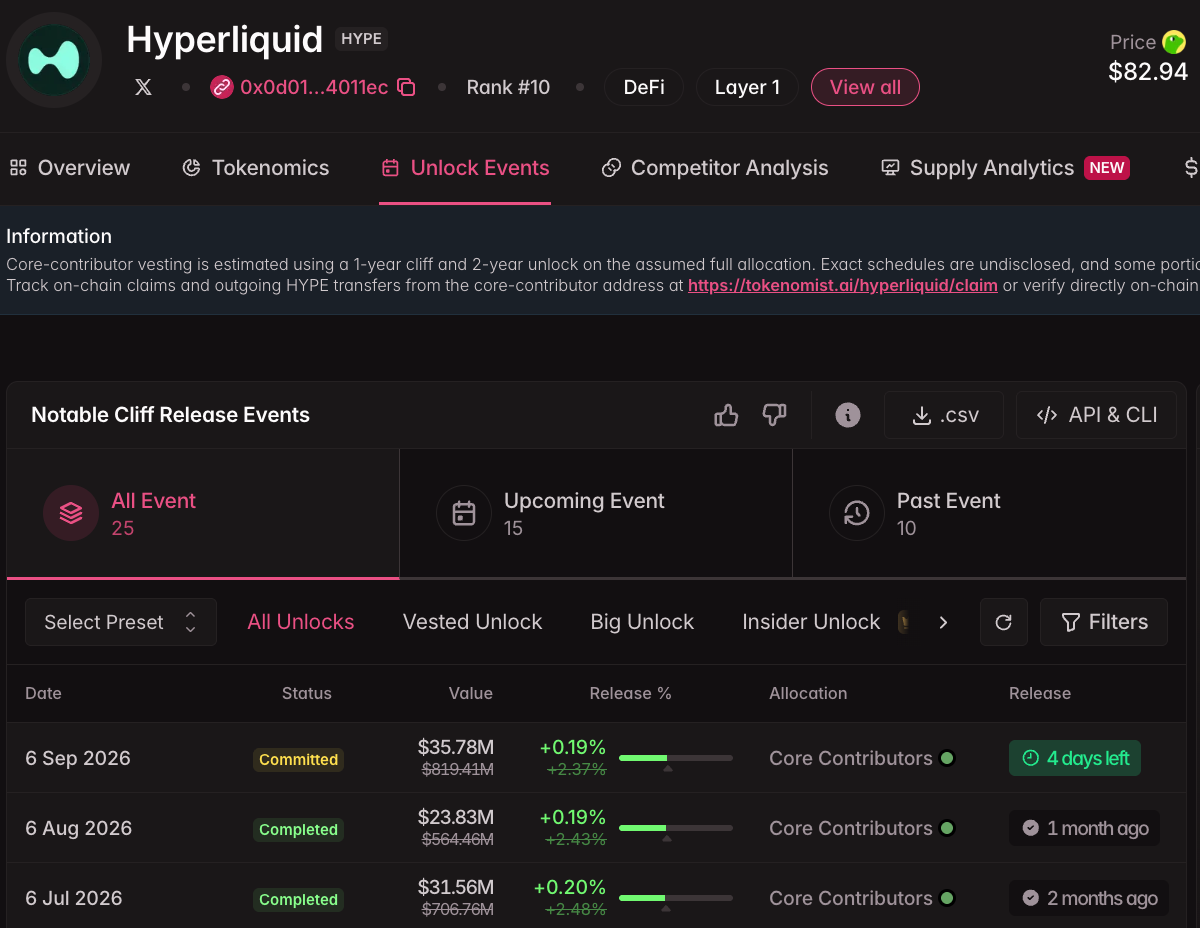
The headline event is Hyperliquid's HYPE unlock on September 6: about 9.92 million tokens worth an estimated $797 million, allocated to core contributors. One important caveat, Tokenomist notes HYPE has historically claimed far fewer tokens than its projected unlocks, which has softened past sell pressure, so the real impact may be smaller than the headline number. Smaller unlocks follow through the month, including SUI, ENA, and mid-month releases from Aptos, Arbitrage-adjacent tokens, and ONDO (~73M tokens on September 18). The smart way to read unlocks: watch exchange inflows and recipient-wallet activity around each date rather than assuming every release automatically means selling.
The Ethereum upgrade milestone (and a common mistake)
Ethereum's next major upgrade, Glamsterdam, reaches a milestone this month, but here's a correction worth making because many calendars get it wrong. The September 28 date is the proposed Sepolia testnet fork, not a mainnet activation. Per the Ethereum Foundation's core-developer notes, the mainnet Glamsterdam upgrade has no confirmed date yet after developers pushed the target into Q4. So September is a testing step, not the live upgrade, useful signal for developers, but not a same-day price catalyst.
The quiet story: institutions keep stacking ETH
Beneath the calendar, one trend is worth flagging: institutional Ethereum accumulation continues even amid the volatility. Crypto treasury firm Bitmine bought 53,501 ETH (around $131 million) in a single week, and prominent investor Arthur Hayes named Ethereum his number-one pick, projecting outsized gains. Paired with Ethereum ETFs extending a multi-day inflow streak, it suggests that while traders fixate on unlock dates and Fed odds, larger players are quietly positioning in ETH for the longer term, a reminder that short-term calendar noise and long-term accumulation often run on separate tracks.
The bottom line
September's map is clear: the CPI-and-Fed window (Sept 11-16) is the month's biggest swing factor, the HYPE unlock (Sept 6) is the largest single supply event, and the Ethereum fork is a testnet step, not a mainnet catalyst. Add the CLARITY Act vote and ongoing institutional ETH buying, and you have a month where macro, supply, and policy all collide. The dates are knowable in advance, which is exactly why they're worth marking now.