
What Happened in the Midterms?
Democrats retook control of Congress. CNN called the Senate at 11:35 p.m. ET Tuesday, and the House was called earlier that night. Rep. Hakeem Jeffries is in line to become Speaker. President Trump congratulated Democrats on the Senate win.
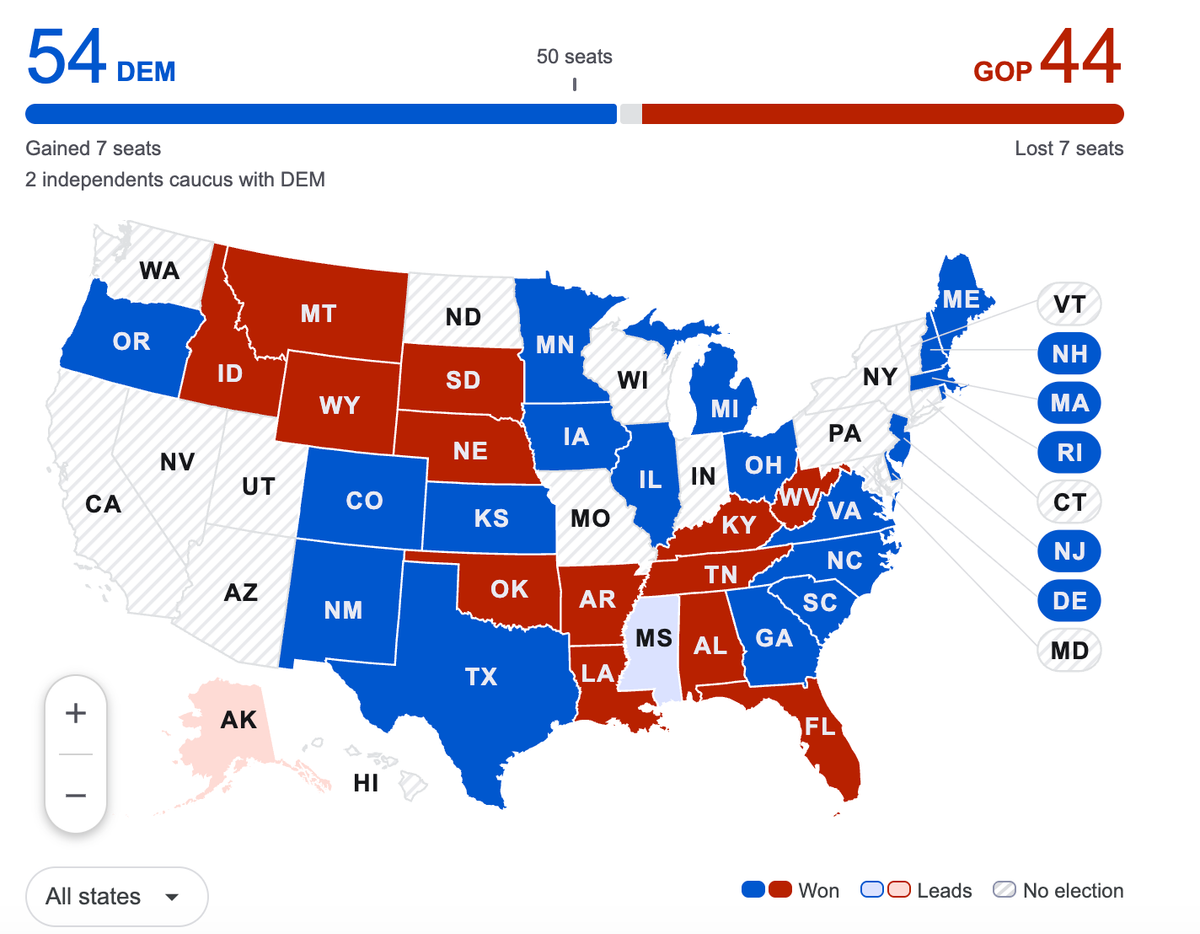
For crypto, two races stood out. Sherrod Brown won in Ohio despite about $63M in crypto industry spending against him. In Maine, Susan Collins, one of the four Republicans who opposed advancing CLARITY over bank deposit concerns, lost her seat. Overall, the industry put about $176M into the midterms across 100-plus races.
What Changes in Congress?
Democrats take House committee gavels in January, which gives them subpoena power over the administration and the President’s business interests. Elizabeth Warren is positioned to chair Senate Banking, replacing Tim Scott, subject to leadership decisions. In the House, Maxine Waters may lead the Financial Services Committee. Who leads the Agriculture committees, which oversee the CFTC, has not been settled.
Plain English: most Senate bills need 60 votes to pass. CLARITY got 49. Whoever chairs a committee decides which bills get drafted and heard, and a chair can open investigations.
What Happens to the CLARITY Act?
The bill passed the House in July 2025 by 294 to 134, with 78 Democrats in favor. In the Senate it cleared the Banking Committee 15 to 9, then failed the September floor vote. Sen. Thom Tillis, one of the four Republicans who voted no, filed a motion to reconsider, which keeps the bill technically alive until the session ends.
Two paths exist:
- Lame duck, through Jan. 3: the current Senate could revive the bill with new ethics language. Warner’s condition was about ethics, not the SEC/CFTC split, while Warren’s list was broader.
- Reset in the new Congress: the bill is reintroduced and starts again before Democratic-led committees.
The White House isn’t waiting. Crypto adviser Patrick Witt said regulators won’t hold back their own rulemaking in hopes of lame-duck passage.
How Do Both Sides Read the Result?
Democrats’ case: Warren said she believes Congress can pass bipartisan crypto legislation, “but not this bill,” arguing it posed risks to families, the economy, and national security. Her committee staff said the Republican ethics language would still let the President profit while setting crypto policy. Democrats who negotiated wanted tighter illicit-finance rules, consumer protections, and limits on officials’ involvement in the industry.
Republican and industry case: Sen. Cynthia Lummis said Democrats chose partisanship over the bill, while crediting Sens. Alsobrooks and Gillibrand as “honest brokers.” Lummis, Boozman, and Scott said the final draft reflected 126 amendments Democrats asked for. Tillis said the talks had made substantial bipartisan progress. The industry’s own takeaway is split: one adviser urged crypto to stop depending on one party and lobby both.
What Could Democrats Do on Oversight?
Reporting points to scrutiny of Trump-linked digital asset businesses and enforcement priorities. Seiberg expects investigations into the President’s crypto ties. Supporters of this say it is ordinary oversight, and critics say it could be used to slow the industry. Either way, subpoena power begins in January, not now.
What Stays the Same?
The stablecoin law passed last year is unchanged, and agencies keep writing rules under existing authority. Industry insiders hope for progress on a crypto tax bill, with lower hopes for another market structure bill.
What Did Markets Do?
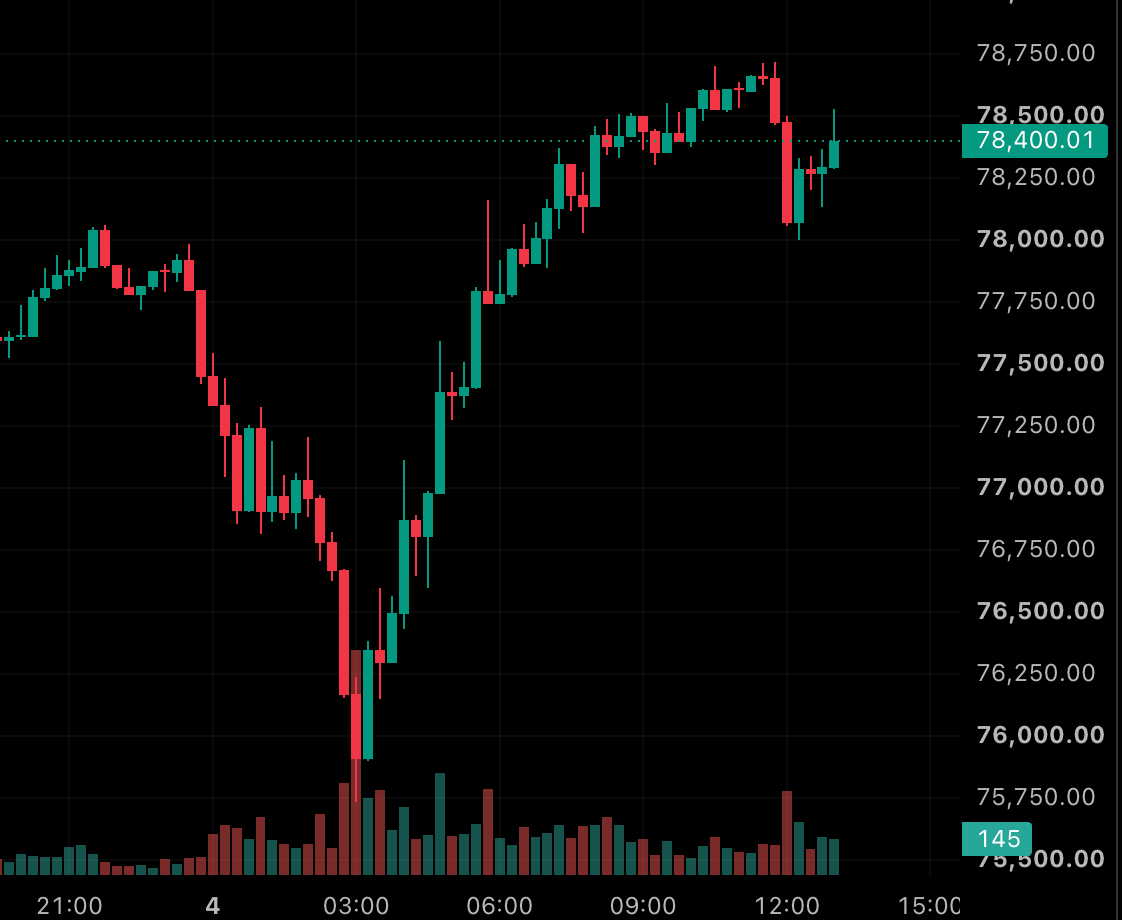
Bitcoin fell about 2.6% to around $75,800 after the House was called, per CryptoTicker’s timeline, then rebounded. The same analysis noted S&P futures also fell, and that investors may be more worried about AI and data center rules than crypto. Prediction markets saw it coming: Kalshi and Polymarket priced Democratic Senate control near 99% before it was called, which is why price moved little.
What to Watch Next
- Whether the lame-duck Senate holds another CLARITY vote before Jan. 3
- Committee chair announcements for Banking, Agriculture, and Financial Services
- Whether new ethics language emerges that Warner or Alsobrooks can back
- First hearings and subpoenas after January
Why It Matters
For two years the central question for crypto in Washington was whether Congress would pass a market structure law. The midterms change who writes it. They don’t answer whether it passes, and reasonable observers disagree on that. Some expect gridlock and investigations, and others expect a negotiated deal that includes the ethics rules Democrats demanded. Today’s result also lowers the odds that the existing text passes unchanged.
This article is not financial advice. Do your own research.