Faster blocks are the headline. A shorter target block time means faster confirmations. NU7 also adds a Network Sustainability Mechanism that removes 60% of transaction fees from circulation for later reissuance through mining rewards, starting around February 2031. It also adds limits on shielded activity meant to reduce wallet synchronization demands.
Holders also voted to keep halvings. A coinholder poll backed keeping the Bitcoin-style halving schedule by 98.9%, and the faster-block proposal got 99.9% of ZEC-weighted votes, according to reporting on the vote.
What Is the Sprout Pool, and Why Are Funds Stranded?
Sprout is Zcash’s oldest shielded pool, where balances and transfers are hidden by zero-knowledge proofs. To spend from it, a user needs a version 4 transaction, and NU7 no longer accepts those. Coins sitting there cannot be transferred, though they still exist.
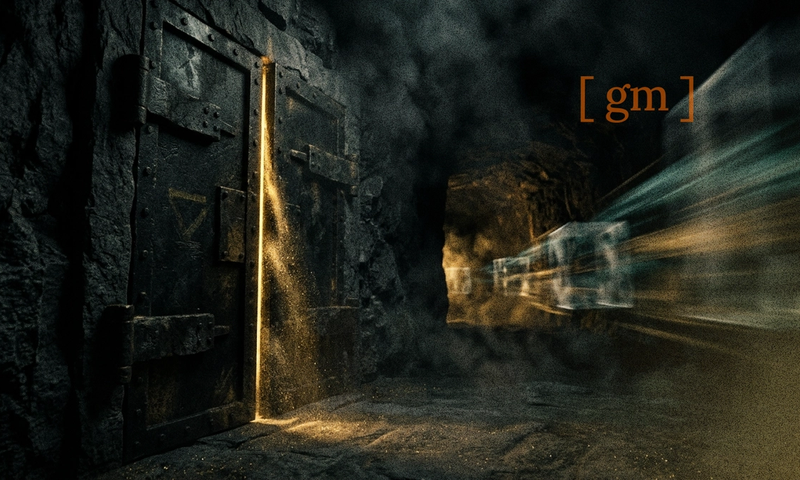
Plain English: it’s like a legacy door being bricked up. The money is inside, but there is no way through until someone builds a new door. Whether that happens is open. Cointelegraph reports the spec leaves the possibility of a future fix, and also says access may never return. It’s not known who holds those coins or whether they are active.
Why Is Zcash in the Spotlight?
ZEC has been one of 2026’s strongest majors, up about 215% from roughly $470 to above $1,500 between mid-August and Sept. 18, a rally tied to a spot ETF and institutional interest. Privacy coins also held up better than the market in today’s selloff, with XMR down 3.2% versus Bitcoin’s 5.3%.
The record isn’t clean. Decrypt reported that July’s Ironwood upgrade followed researchers finding a four-year-old flaw that could have allowed counterfeit ZEC to be minted, and the price fell 38% on the disclosure. Upgrades carry risk for a privacy chain, and the NU7 Sprout outcome is a reminder of it.
Why It Matters
NU7 is a performance upgrade with a real cost. Faster blocks and a fixed supply schedule are the pitch, and 12,224 stranded coins are the fine print. The practical takeaway is that holders of old privacy-pool funds should check where their coins sit, and that ZEC’s price is highly speculative after a roughly threefold run.