Reports of a "Ledger hack" sent a jolt through the crypto community on Thursday, with on-chain analysts tracing more than $86 million drained from Ledger hardware-wallet users. But the real story is more specific, and more important to understand, than the scary headline suggests. This does not appear to be a breach of Ledger's systems or a flaw in its devices. Instead, the evidence points to tampered wallets sold through a single third-party reseller. Here's exactly what's confirmed, what isn't, and what it means for you.
What happened
On October 9, on-chain investigator Specter flagged a wave of reports from Ledger users on X and Reddit whose wallets had been emptied. After tracing the stolen funds, Specter found that more than $86 million had been drained from hundreds of victim wallets across Ethereum, TRON, and Bitcoin. A separate community alert put early losses above $72 million and rising, and some analyses counted the theft across dozens of wallet addresses.
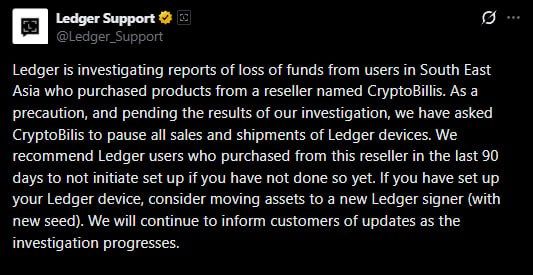
Ledger responded publicly within hours. The company said it is investigating reports of lost funds from users in Southeast Asia who purchased devices from a reseller named CryptoBilis, and has asked that reseller to pause all sales and shipments while the investigation continues.
The crucial distinction: this is not a Ledger systems hack
This is the part that matters most, and that most "Ledger hacked" headlines get wrong. Based on what's known, this is not a breach of Ledger's own infrastructure, and not a vulnerability in Ledger's hardware or firmware. Ledger's secure element, the chip that protects your private keys, has not been reported compromised. As one outlet put it plainly, until Ledger confirms a cause, the reported losses should not be treated as proof of a company-wide hardware wallet exploit.
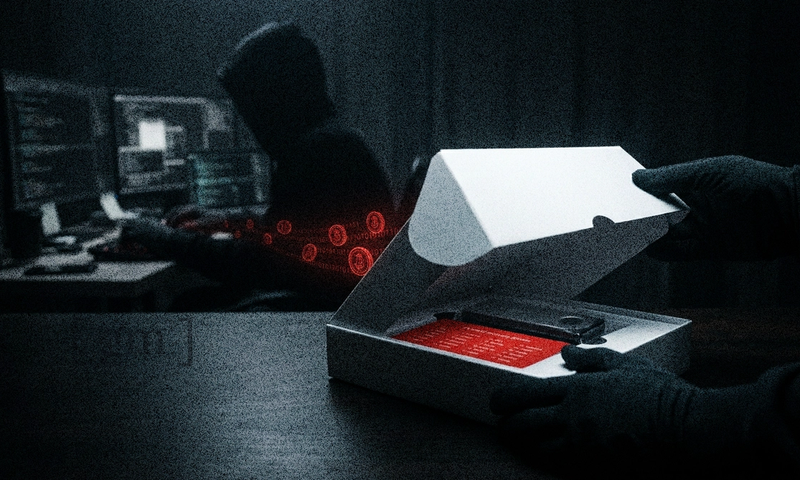
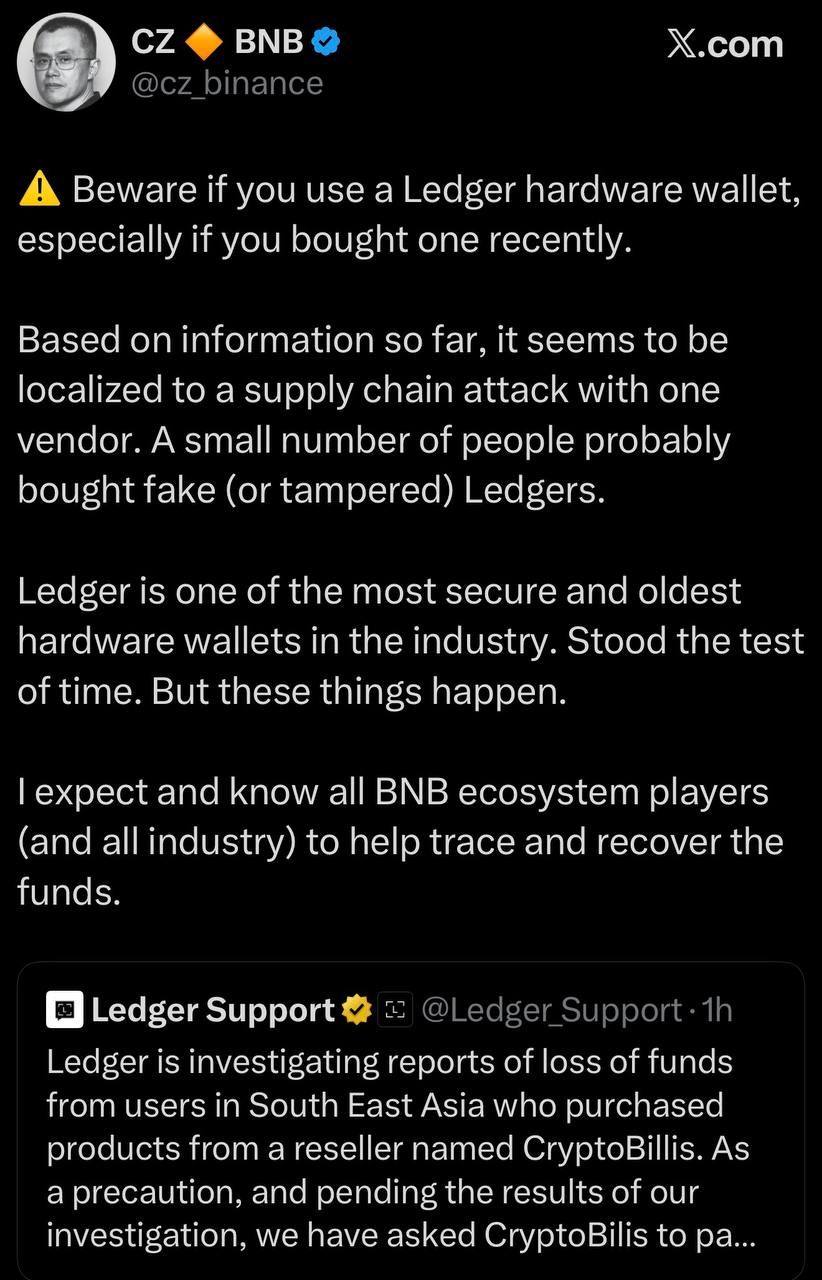
So what likely happened instead? The common thread, victims who bought from one specific reseller, points toward supply-chain tampering: the possibility that devices were compromised before they reached customers. In this kind of attack, a bad actor in the distribution chain tampers with a wallet, for example, setting it up with a pre-generated recovery phrase the attacker already knows, and then sells it as "new." The victim transfers funds in, believing the wallet is secure, and the attacker, who secretly holds the recovery phrase, drains it later. The device works perfectly; the compromise happened before the box was ever opened. This is fundamentally different from Ledger's systems being hacked, and it's why the reseller is the center of the investigation.
What Ledger is telling users to do
Ledger issued clear guidance for potentially affected customers:
- Users who purchased a device from CryptoBilis in the last 90 days should NOT set it up.
- Those who have already activated such a wallet should move their assets to a new Ledger device with a newly generated recovery phrase, immediately.
- As always: never share your 24-word recovery phrase with anyone, and never use a recovery phrase that came pre-filled or pre-printed with a device, a legitimate wallet always has you generate the phrase yourself, privately, on first setup.
How to protect yourself from this kind of attack
This incident is a textbook lesson in hardware-wallet safety. The core defenses:
- Buy only from the manufacturer directly (Ledger.com), or an officially authorized retailer, never from third-party marketplaces, resellers, or unknown sellers, no matter how good the deal.
- Generate your own recovery phrase. A new hardware wallet should ask you to create and write down the seed phrase during first-time setup. If it arrives with a phrase already provided, "for your convenience," it's a scam. Stop and do not use it.
- Check for tampering, though sophisticated supply-chain attacks can be hard to spot, which is why buying direct is the real protection.
Why it matters
The Ledger situation is a serious reminder of a risk that's easy to overlook: with hardware wallets, how you acquire the device can matter as much as the device's own security. Ledger's technology securing the keys may be sound, but if a tampered unit reaches you through an untrusted reseller, that protection can be bypassed before you ever use it. For the broader industry, it echoes a pattern seen repeatedly in 2026, from the Coldcard incident to various exchange breaches, where the losses stem not from broken cryptography but from a weak link somewhere in the chain around it. For users, the takeaway is simple and actionable: the convenience or discount of buying a hardware wallet from a random reseller is never worth the risk. Buy direct, generate your own seed, and treat any pre-configured wallet as a trap. Ledger says it will update customers as its investigation progresses, and the key question now is whether the company can confirm exactly how these specific devices were compromised, and how many users were affected.
This is a developing story; the cause is unconfirmed and details may change.