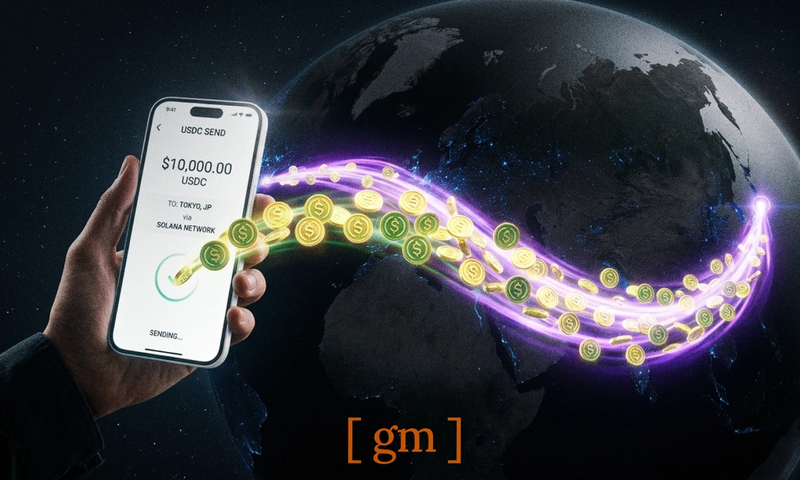
Stablecoins just took a major step toward the mainstream. Samsung announced it will add USDC, the second-largest stablecoin, to Samsung Wallet and Samsung Pay, running on the Solana blockchain, giving potentially hundreds of millions of phone users a built-in way to hold and send digital dollars. US customers will be able to make cross-border payments with it starting in late October. Here's what the integration means and why it matters.
What Samsung is doing
Samsung will support USDC on Solana within Samsung Wallet and Samsung Pay, with US users able to send cross-border payments from the last week of October 2026. The integration is powered by Coinbase, with USDC being the first stablecoin supported in the wallet.
For context on the scale: Samsung Wallet and Samsung Pay are pre-installed on Samsung's Galaxy devices, one of the most-used smartphone lineups in the world. Baking a stablecoin directly into that software puts digital-dollar payments in front of an enormous mainstream audience, most of whom have never opened a dedicated crypto app.
What USDC and stablecoins actually are
For readers newer to this: a stablecoin is a cryptocurrency designed to hold a steady value, in USDC's case, pegged 1:1 to the US dollar and backed by cash and short-term Treasuries. Unlike volatile assets like Bitcoin, a stablecoin is meant to always be worth about $1, which makes it useful for actual payments rather than speculation. USDC is issued by Circle and is one of the two dominant dollar stablecoins.
Running it on Solana matters too: Solana is a fast, low-cost blockchain already used for stablecoin payments by firms including PayPal and Western Union, making it well-suited for the kind of instant, cheap, cross-border transfers Samsung is targeting.
Why this is a big deal
The significance is distribution. Stablecoins have grown into a market worth over $300 billion, but using them has largely required navigating crypto exchanges and specialized wallets, a barrier for ordinary people. When a consumer-electronics giant like Samsung builds stablecoin support directly into the wallet app that ships on its phones, it removes that friction entirely. Suddenly, sending digital dollars across borders could be as simple as using Apple Pay or tapping to pay.
It also fits a fast-accelerating trend of Big Tech and traditional finance embracing stablecoins. Reporting earlier this year indicated similar moves are underway across the industry, and the cross-border-payments use case, sending money internationally, instantly, and cheaply, is one of the clearest real-world problems stablecoins solve, especially versus slow and expensive traditional wire transfers. For the millions of Samsung users who regularly send money abroad, a built-in USDC option could be genuinely useful.
The caveats
A few things to keep in mind. The rollout is phased, US cross-border payments come first (late October), with broader functionality presumably following. As with any new payment feature, users should understand the basics: a stablecoin is only as reliable as its issuer and reserves (USDC's are regulated and audited, a point in its favor), and sending crypto, even stablecoins, means paying attention to addresses and networks. And while "digital dollars on your phone" sounds simple, the regulatory treatment of stablecoin payments is still evolving, something the recently proposed US stablecoin rules aim to clarify.
Why it matters
Samsung adding USDC is one of the clearest signals yet that stablecoins are moving from a crypto-native tool to mainstream financial infrastructure. The company isn't launching a speculative token or a trading feature, it's embedding digital dollars into everyday phone software for practical payments, the unglamorous use case that could actually drive mass adoption. Combined with the broader wave of banks, payment giants, and now phone makers integrating stablecoins, it suggests the technology is crossing from early-adopter curiosity into tools that ordinary people use without even thinking about "crypto." If sending a digital dollar across the world becomes as easy as tapping your phone to pay, stablecoins will have quietly become part of daily financial life, and Samsung just brought that future a step closer for hundreds of millions of users.