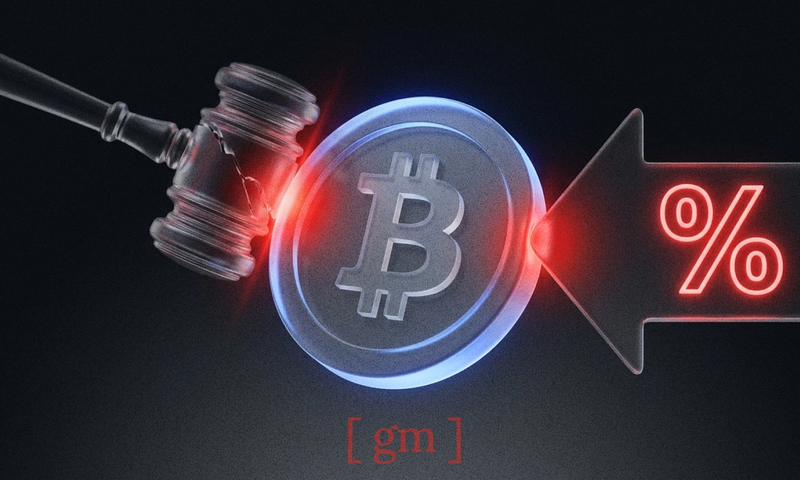
Crypto just endured one of its worst 48-hour stretches of the year, and none of it happened on-chain. In the span of a single day, the market lost its biggest regulatory hope and braced for its biggest macro threat: the US Senate killed the CLARITY Act, and the Federal Reserve is poised to raise interest rates today. Bitcoin fell below $75,000, its lowest level since August, as the one-two punch from Washington drained support from both directions.
Blow one: the CLARITY Act failed
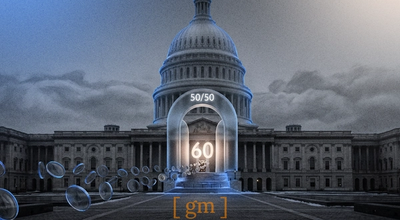
On Tuesday, the Senate rejected the CLARITY Act by a vote of 49-50, falling eleven votes short of the 60 needed to advance. To be precise about what happened: this was a cloture vote on the motion to proceed, a procedural step to begin debating the bill, not a final passage vote. It failed anyway, and badly enough that it didn't even win a simple majority.
The bill needed at least seven Democrats to cross over, and they didn't come. Three Republicans, Susan Collins, Josh Hawley, and Jerry Moran, also voted no, making the math impossible. The sticking points were the same ones that had dragged on for months: Democrats argued the bill's ethics provisions were too weak to prevent the kind of crypto dealings President Trump has pursued, while the banking industry fought a provision allowing crypto platforms to pay yield on stablecoins, fearing it would pull deposits out of traditional bank accounts. Senator Elizabeth Warren led the opposition, warning on the floor that the bill risked sparking a "crypto-fueled economic crash."
Given the compressed congressional calendar before the November midterms, the defeat effectively ends the market-structure push for 2026, with some observers warning the next realistic window may not arrive until 2029.
The market's reaction: $772M liquidated
The selloff was immediate and brutal. Bitcoin slid from a session high near $77,200 to below $75,600 as the "no" votes mounted, ending the day down more than 4% and dropping below $75,000 early Wednesday, its lowest since August 21. Ethereum and XRP fell sharply alongside it, and crypto-linked stocks were hit even harder: Coinbase dropped nearly 9%, with Circle and Strategy also sliding.
The leverage washout was severe. Around $772 million in crypto positions were liquidated over 24 hours across more than 120,000 traders, roughly 91% of them long bets, with Bitcoin alone accounting for over $90 million. That lopsided figure reveals how heavily traders had positioned for a favorable outcome, even as prediction markets had already collapsed the bill's odds to single digits. When the vote failed, all those bullish bets unwound at once.
Blow two: a near-certain Fed rate hike
Crypto barely had time to absorb the CLARITY defeat before the next threat arrived. The Federal Reserve announces its rate decision today at 2:00 p.m. ET, and markets now see a rate hike as all but certain. The CME FedWatch tool puts the probability of a 0.25% increase at about 94.5%, up from just 40.6% a week earlier, a dramatic hawkish swing driven by hot inflation data and surging oil prices.
This matters because Bitcoin still trades largely as a risk asset. A rate hike tightens financial conditions and pushes safe-haven yields higher, the 10-year Treasury yield hit a 19-year high above 5% on Tuesday, pulling capital away from crypto and toward bonds. With a hike this widely expected, the bigger market driver may be the Fed's tone: its updated projections and Chair Warsh's 2:30 p.m. press conference. Hawkish guidance about more tightening ahead could deepen the selloff; any hint of a pause afterward could spark relief.
What happens now for crypto regulation
Here's the part that matters beyond the price. With legislation dead for the year, US crypto oversight defaults back to the regulators already writing rules, the SEC and CFTC. A former CFTC chair noted that the two agencies will now shape crypto policy through their own rulemaking in the absence of a law. That's a double-edged outcome: the current SEC under Chair Paul Atkins has been notably crypto-friendly, so agency action isn't necessarily hostile, but it's also revocable. Rules made by one administration's regulators can be undone by the next, which is exactly the uncertainty CLARITY was meant to end with durable law. The industry got neither the law nor the certainty.
This week is the clearest demonstration yet of a theme that has defined crypto in 2026: the market's direction is set in Washington and the bond market far more than by anything happening in the technology itself. In four months, the same CLARITY Act went from a catalyst that pushed Bitcoin above $82,000 in May to a failure that dragged it below $75,000 in September. Layered on top is a hawkish Fed and a 19-year high in Treasury yields, leaving crypto with little near-term support from either fiscal policy or monetary policy. The structural demand story hasn't vanished, August was the strongest month of the year for Bitcoin ETF inflows, but for now, the asset class is trading defense. The next test comes at 2:00 p.m. ET today, and after a brutal 48 hours, the market is bracing for one more.
This is educational information, not financial advice. Crypto is highly volatile; prices and rate expectations cited are as of publication and are moving rapidly around today's Fed decision. Always do your own research.