Injective Exploited for ~$4.9M as Two Layer-1 Blockchains Halt on the Same Day
8 hours ago


Traders brace for an "October crash" every year. But analysts warn this year's real danger is mid-September, when a Senate crypto vote, a Fed decision, and quadruple witching all collide within days.
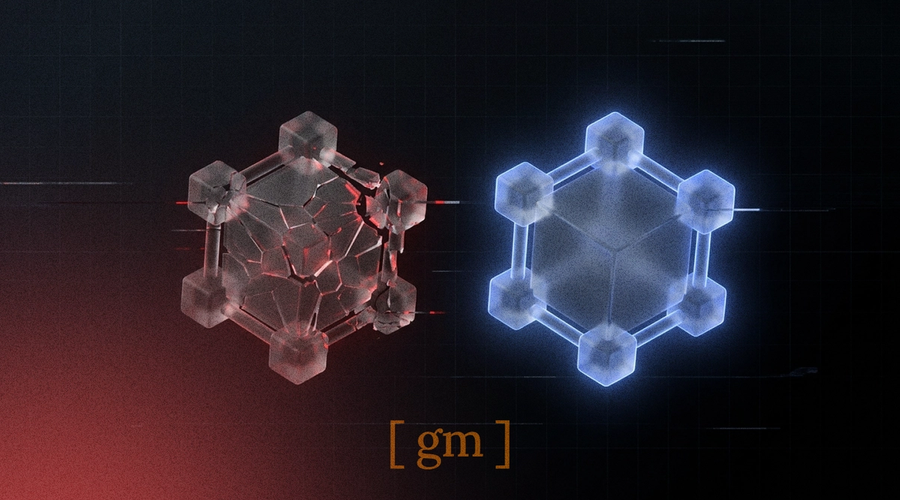
Injective suffered a ~$4.9M exploit via a flaw in its binary-options settlement logic, halting for nearly four hours. Separately, Ontology paused its mainnet as a precaution. Here's what happened, and what didn't.

Michael Saylor's Strategy resumed Bitcoin buying with a $369.7M purchase after a 10-week pause, and after quietly selling BTC over the summer. The reversal was funded entirely by selling MSTR stock.

Coinbase is bringing institutional-grade crypto trading and custody to Webull's Canadian customers, its fourth market with the brokerage, just as Canadian crypto ownership jumps to 25%.
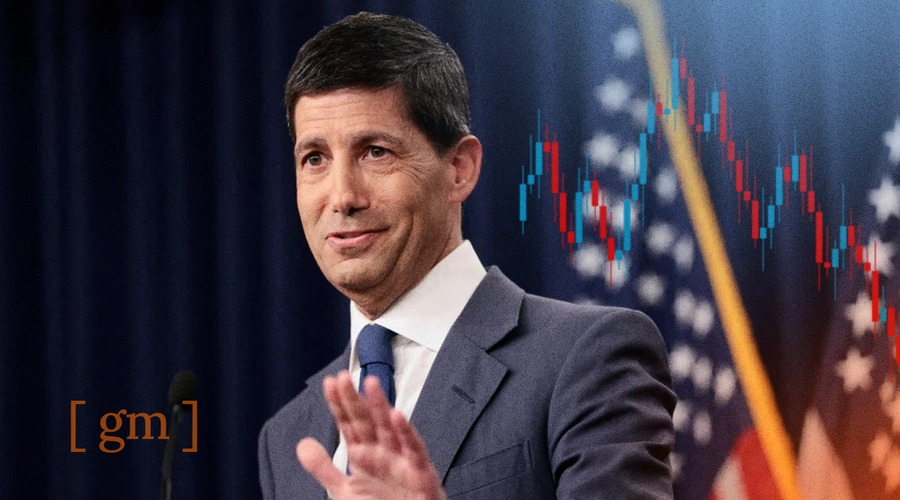
Bitcoin fell over 3% and $378M in positions were liquidated after Fed Chair Kevin Warsh struck a hawkish tone at Jackson Hole. High-beta altcoins took the hardest hit.
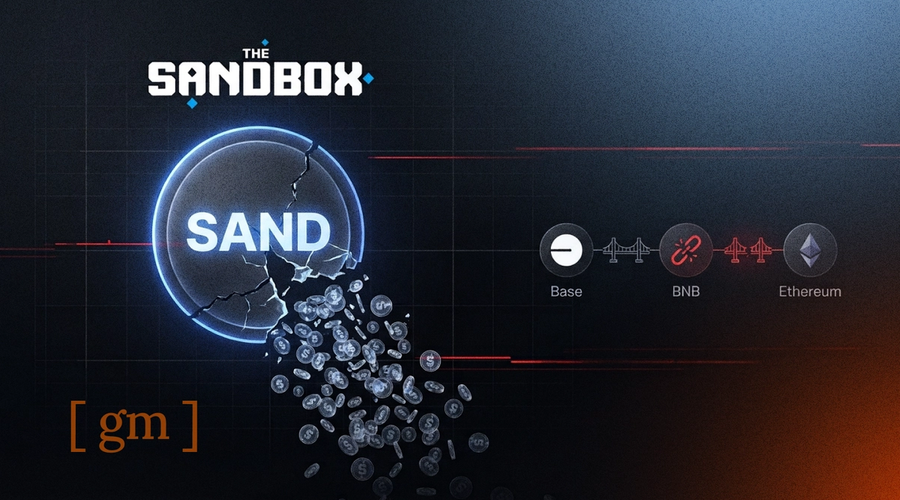
An attacker exploited a bridge flaw to mint 329 trillion unbacked SAND, a $49 billion paper figure. The real damage was $675,000. Here's how that gap is possible, and why it's the whole story.

CryptoQuant's analysts are flagging several strong bullish signals, rising demand, improving liquidity, and stronger market metrics. But the same firm warns: without a weekly close above $83,000, this is only an "initial phase," not a confirmed bull market.

A verified X account, realtrumpcoins, that's followed by @realDonaldTrump, launched a token called $GOLD, hyped it as "Trump Digital Gold," then dumped the team's entire holding within hours. On-chain sleuths flagged it before the collapse. Buyers who thought it was official were left with near-worthless tokens.

An attacker drained a DeFi lending protocol of more than it earns in a year, and never touched its smart contracts. They just fooled the price feed. It's one of the most common attacks in crypto, and this case is a textbook lesson in a risk every DeFi user should understand.

The US government moved a tiny sliver of Bitcoin seized from Alameda Research three years ago, and it reignited a much bigger question: does Washington actually control the roughly 198,000 BTC it's sitting on, and can it really promise never to sell?
Traders brace for an "October crash" every year. But analysts warn this year's real danger is mid-September, when a Senate crypto vote, a Fed decision, and quadruple witching all collide within days.