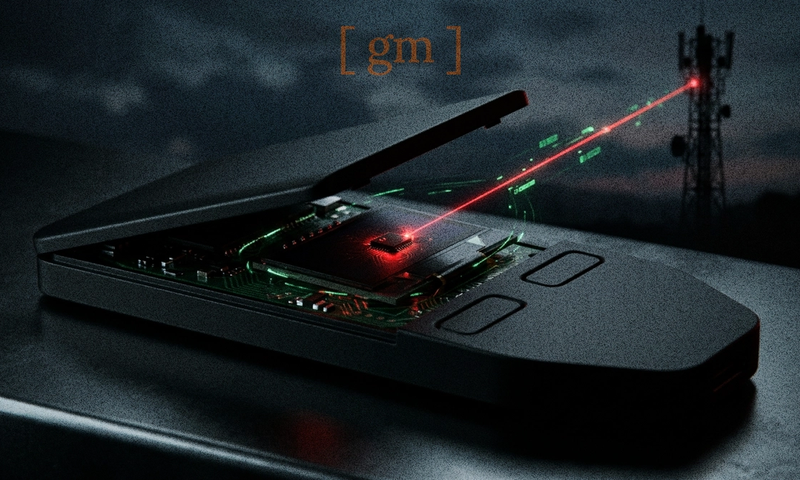
The mystery behind one of the year's strangest crypto thefts just got a chilling answer. Ledger has confirmed that a hardware wallet linked to roughly $93 million in stolen funds contained a hidden, unauthorized electronic implant, physical proof that the devices were tampered with before they ever reached customers. It confirms what early analysis suspected, and what this outlet reported last week: this was never a hack of Ledger's systems. It was a supply-chain attack through a single reseller. Here's what's now confirmed, how the implant worked, and what users should do.
What Ledger confirmed
In a statement on October 10, Ledger Support said plainly: "Ledger can confirm that one of the impacted users' devices contained an unauthorized hardware implant." It's the first concrete evidence of physical tampering in an incident that had, until now, been based on on-chain analysis and user reports.
The confirmation came days after the theft first surfaced on October 9, when on-chain investigators traced funds drained from Ledger users. Estimates of the total have since risen to around $93.2 million, taken across multiple blockchains from wallets bought through the reseller CryptoBilis, which operates in Indonesia, Malaysia, and the Philippines. CryptoBilis has since halted all hardware-wallet sales while the investigation continues, and Ledger says it is working with authorities and crypto-security group SEAL 911.
How the implant worked (and why it's so sophisticated)
Here's the genuinely alarming part. The discovery was driven in part by Mark Karpelès, the former CEO of the collapsed Mt. Gox exchange, who received a Ledger Nano X from Malaysia he suspected had been tampered with. Despite the device's seemingly intact shrink-wrap packaging, Karpelès said he found a hidden electronic module concealed behind the screen, where the device's protective cushioning normally sits.
According to his analysis, the implant contained a microcontroller, LTE cellular hardware, an antenna, and an eSIM, connected to the device's display circuitry. In plain terms: a tiny, self-contained spy chip with its own cellular connection, capable of secretly reading what the device showed on screen and phoning that data home.
That design explains the most unsettling detail: why a tampered device could still pass Ledger's "genuine check." The implant doesn't alter Ledger's secure chip or firmware, which remain untouched and authentic. It simply sits alongside them, reading the screen (and potentially the recovery phrase displayed during setup) and transmitting it to the attacker. The wallet works perfectly and verifies as genuine; the compromise is invisible, bolted on inside the hardware.
The crucial point: Ledger itself was not hacked
This cannot be stressed enough, because it's the thing most "Ledger hacked" headlines get wrong. This is not a breach of Ledger's infrastructure, and not a flaw in Ledger's devices, firmware, or secure element. Every confirmed case traces to devices sold through one reseller, CryptoBilis. As security analysts put it, the confirmation points to a supply-chain problem at a single reseller, not a breach of Ledger's own systems. If you bought your Ledger directly from Ledger, there is no indication so far that your device is affected.
What this does expose is a different, serious risk: the physical supply chain. A hardware wallet's security assumes the device reaches you untampered. This attack breaks that assumption, showing that a sophisticated actor who intercepts devices in the distribution chain can defeat even genuine hardware, by adding their own.
What affected users should do
Ledger's guidance for CryptoBilis customers is clear:
- If you have an unused device from CryptoBilis, do NOT initialize it.
- If you already set up a wallet from CryptoBilis, move your funds immediately to a new seed phrase on a device obtained directly from Ledger.
- Verify any device using Ledger's official genuine-check instructions, though note this specific implant could reportedly pass that check, so for affected buyers, assume compromise.
- Buy hardware wallets only from the manufacturer directly or an officially authorized channel, never a third-party reseller.
- As always: be alert for scams. A fake Ledger website has already appeared in search results exploiting the panic. Never enter your recovery phrase anywhere, and verify everything through Ledger's official channels.
Why it matters
The Ledger implant confirmation is one of the most significant hardware-security stories of the year, not because Ledger's technology failed, but because it reveals a frontier of attack most crypto users never consider: the device's journey from factory to your hands. A spy chip with its own cellular modem, hidden behind a screen, passing every software check, is a nation-state-grade level of sophistication aimed at ordinary crypto holders. For the industry, it's a wake-up call that supply-chain security is now part of the threat model. For users, the lesson is simple, actionable, and worth repeating: the discount or convenience of buying a hardware wallet from a random reseller is never worth it. Buy direct, generate your own seed, and treat the chain of custody as part of your security. Ledger says it will keep updating as the investigation continues, and the open questions, how many devices were implanted, who built them, and how the supply chain was breached, will define how seriously the industry takes this new class of threat.
This is a developing story; details may change.