
Bybit Launches Trading for 1,000+ US Stocks With USDC, and These Are Real Shares, Not Tokens
3 days ago

A hotter-than-expected September CPI (3.7%) sent crypto tumbling. Bitcoin broke below $81,000, Ethereum fell 6%, nearly $1 billion was liquidated, and real-world-asset tokens led the sector lower. The inflation surprise revived Fed rate-hike fears just before its October 28 decision. Here's what happened.
Read

Crypto exchange Bybit now lets users trade over 1,000 real US stocks and ETFs, Apple, Nvidia, Tesla, funded with the USDC stablecoin. Unlike the tokenized-stock wave, these are actual shares held by broker Alpaca, giving users genuine ownership. Here's how it works and why the distinction matters.
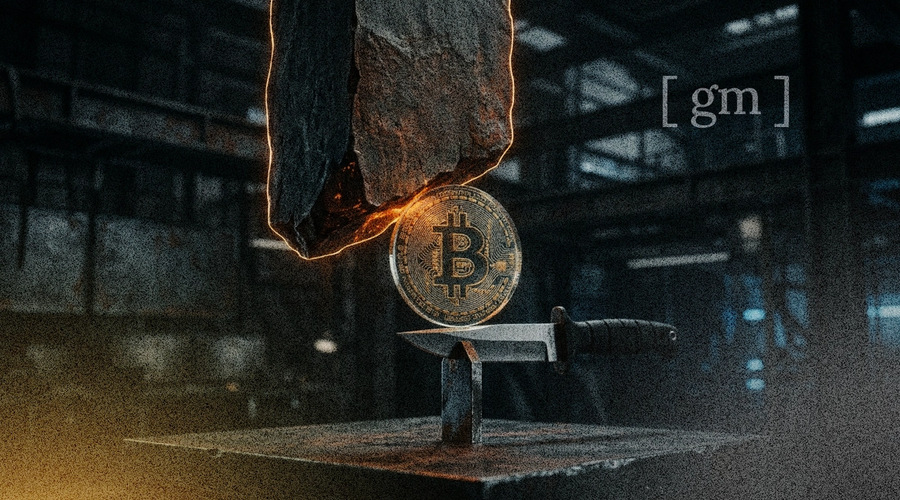
Bitcoin is pinned near $83,000 ahead of the September CPI inflation report, due Wednesday at 8:30am ET. It's the last inflation data before the Fed's October 28 decision. A soft print could spark a relief rally; a hot one could send Bitcoin below $80K. Here's what to watch.

A UK High Court ruled that claims over 61,000 Bitcoin, seized in the biggest crypto haul in British history and now worth billions, must be decided under Chinese law. The twist: ~16,000 fraud victims may only recover their original money, while the Bitcoin's massive gains could go to the UK Treasury.

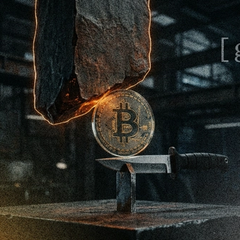
Developers quietly patched a decade-old bug in the XRP Ledger that could have let an attacker create about 18 trillion XRP in a single transaction, 184 times the token's entire supply, shattering its 100 billion cap. An AI agent found it. Here's what happened.

Ledger has confirmed that a hardware wallet linked to roughly $93 million in crypto thefts contained a hidden, unauthorized implant, a microcontroller with cellular connectivity concealed behind the screen. It confirms a physical supply-chain attack, not a Ledger systems hack. Here's what happened.

On-chain analysts traced over $86 million drained from Ledger hardware wallet users across Bitcoin, Ethereum, and TRON, but this wasn't a hack of Ledger's systems or a device flaw. The losses trace to tampered wallets allegedly sold through a single third-party reseller. Here's what really happened and how to keep your crypto safe.
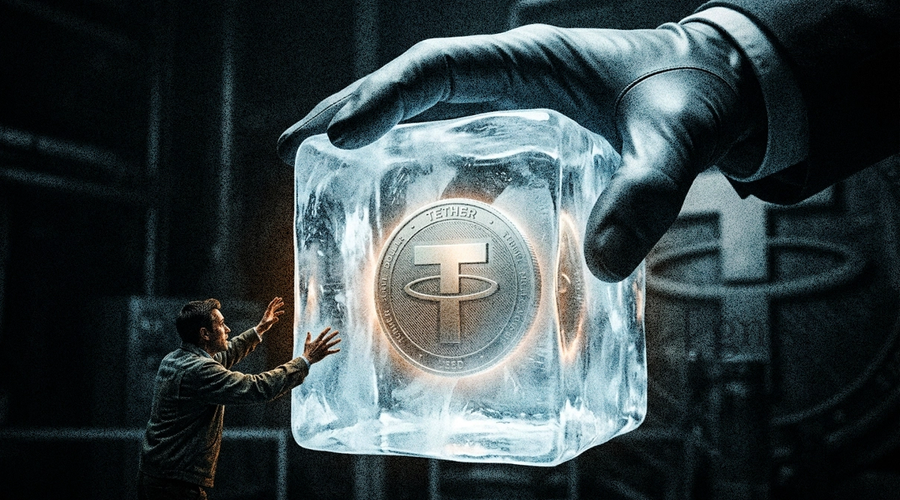
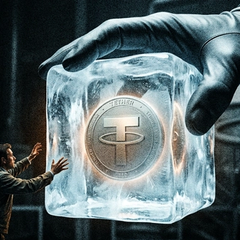
Payments firm Conduit sued Tether in New York, alleging it froze $2.76 million in USDT without a court order, over a Brazilian probe that never targeted Conduit. It's the second freeze lawsuit against Tether in weeks, and it tests how far the stablecoin giant's power to freeze funds really reaches.

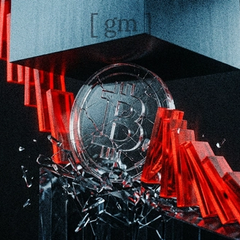
Bitcoin fell below $81,000 to a near three-week low as more than $1 billion in leveraged positions were wiped out and Bitcoin ETFs saw $244 million in outflows. Ethereum dropped twice as hard. Here's exactly why crypto is down today, October 9.

Ethereum Foundation researcher Justin Drake warned that AI-driven math could break the cryptography securing Bitcoin and Ethereum wallets "in months, not years", potentially before quantum computers do. He urged holders to calmly enter "bunker mode." But no attack has been demonstrated, and the industry is sharply split, with Coinbase's head of cryptography calling it "FUD."

A hotter-than-expected September CPI (3.7%) sent crypto tumbling. Bitcoin broke below $81,000, Ethereum fell 6%, nearly $1 billion was liquidated, and real-world-asset tokens led the sector lower. The inflation surprise revived Fed rate-hike fears just before its October 28 decision. Here's what happened.